Electrotherapy in Andersonville

Physical Therapy
ELECTROTHERAPY
Channeling therapeutic low-frequency electrical current through muscle, nerve, and connective tissue for the purpose of reducing pain has been a widely accepted medical practice for many years. This stimulation prompts the body to secrete endorphins and other natural pain killers to help relieve pain. Ligament sprains, muscle strains and spasms often respond well to this treatment.
HOW CAN ELECTROTHERAPY HELP ME?
Electrotherapy is often prescribed for providing relief from chronic and/or acute post-traumatic pain, as well as for the relaxation of muscle spasm, the prevention or reversal of disuse atrophy, increasing local blood circulation, muscle re-education, and maintaining or increasing range of motion.
INTERFERENTIAL ELECTROTHERAPY: HOW DOES IT WORK?
Interferential Electrotherapy is introduced into the body at the injury site through the use of electrodes. Once the electrodes have been placed on the skin, the therapist slowly increases the electrical output intensity. Initially a tingling sensation is felt. The intensity is slowly increased until the current feels strong but comfortable. Since the human body has a tendency to adapt to the electrical current after the first couple of minutes, it may be necessary to periodically increase the intensity during the treatment period, which may last anywhere from 10 to 20 minutes, depending on the condition being treated.
Most patients find interferential electrotherapy to be extremely beneficial and describe it as a faint “pins and needles” sensation.
Also Related…
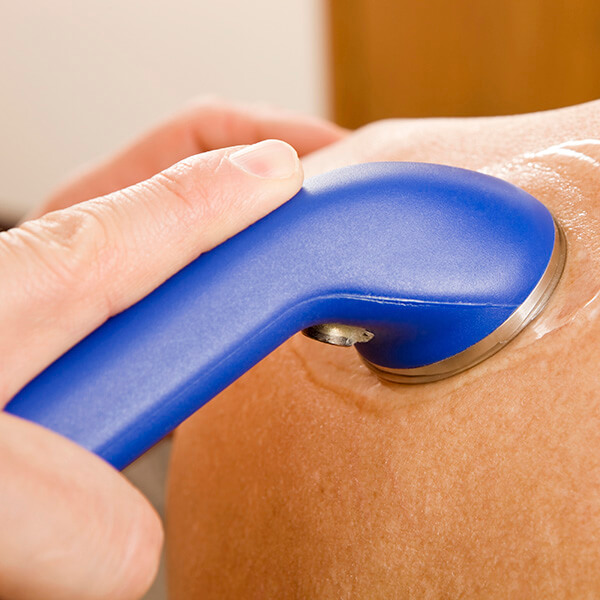
Ultrasound Therapy
Learn more about high level ultrasound, which can be used to heal tissue injuries and treat inflammatory conditions.

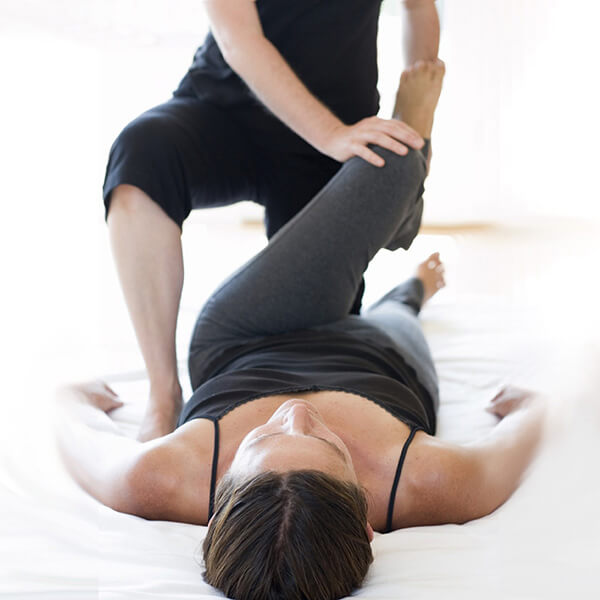
Propriocepticve Neuromuscular Facillitation
Find out more about Proprioceptive Neuromuscular Facilitation (PNF), a treatment that uses your muscles’ natural contract and relax signals to improve flexibility.