Pregnancy

Chiropractic
Supporting Biomechanical Foot Changes During Pregnancy
What does biomechanical mean?
Biomechanical is the term used for the science of movement relating to the human body. It is the study of a living body, especially of the forces exerted by the muscles on the skeletal structure of the spine right down to the soles of the feet.
Are you thinking about getting pregnant?
Pregnancy is an exciting time for any woman, and there are many bodily changes that take place. While morning sickness, fatigue and back pain are complaints frequently heard during this time, one tends to forget that leg and foot problems are just as common, especially as time goes on.
Over the 40 or so weeks of pregnancy, several changes take place in the body’s physiology and hormonal system. Some of the changes are visible, especially as the baby begins to grow, and your maternal weight increases. The pressure from the weight increase causes the musculoskeletal system to undergo a series of adjustments involving ligaments, joints, and posture, which can result in painful hips, knees, and ankles – and of course end up with very sore feet.
If you suspect or know, that you have flat feet, then before becoming pregnant, or at least in early pregnancy before substantial baby weight is added to your musculoskeletal frame, make a point to come in for a foot and ankle examination. Get an early assessment, and early treatment if necessary, to avoid later problems during pregnancy and beyond.
Foot problems during pregnancy.
Swollen feet. Raised hormone levels result in water retention which makes you feel bloated and manifests itself as swollen, painful feet. Squeezing your feet into your regular size footwear is almost impossible, and very uncomfortable. It is not unusual for an expectant mom to go up at least ½ a size in shoes. As you shop for shoes for your new foot size, opt for something more comfortable than high heels or tight-fitting boots. Your feet need the extra support in the arch to support added weight and should be comfortable. Shoes at this time without proper arch support may contribute to falling arches. Tight shoes may result in painful calluses, cracked heels, and very sore feet!
Loose ligaments. There is a pregnancy hormone known as relaxin, whose primary function is to loosen the ligaments of the birth canal and pelvis in preparation for delivery. Relaxin has an effect on ligaments throughout the body, and so also loosen the ligaments that support the feet, which may result in dropped arches and contribute to problems right up the kinetic chain, including sprained ankles, and knee pain, hip pain, and low back pain. This can happen over a period of months as the hormone level builds up, with it being very severe and painful towards the end of your pregnancy.
Movement. You may find it difficult to get around when pregnant, and twist and turn to balance your weight. The resultant stress could further flatten your arches, and cause your toes to roll in to give yourself a bit of relief
Some tips to reduce swelling and keep your feet feeling good during pregnancy
- Support your feet. Wear properly fitting shoes and choose footwear that offers good arch and ankle support.
- Exercise. The more you move will encourage the blood flow out of the feet and legs, into the rest of the body, and reduce swelling.
- Ice. When your feet swell, prop them up and apply an ice pack to ease pain and reduce swelling.
- Standing. The longer you are on your feet, the more your feet will swell. If possible limit the time spent standing to keep the swelling down.
- Get relief from custom orthotics. Our orthotics are a custom made insert that is inserted into a shoe and used to treat various conditions of the foot and ankle. It realigns the problematic foot joints caused by stress and pressure. It is ideal for supporting relaxed foot arch ligaments during pregnancy that contribute to fallen arches, and preventing arch collapse and related conditions up the kinetic chain by keeping your feet in proper alignment.
At Ravenswood Chiropractic & Wellness Center we use Sole Supports Custom orthotics that are uniquely made for you and specially molded for your particular needs. Custom Foot Orthotics offer support solutions to ease pain and discomfort that fit your exact requirements during pregnancy.
Painful feet late in pregnancy.
Don’t let your feet suffer more than they have to while you are pregnant. Do your best to provide plenty of support for your feet, and rest as often as you can to ease the pressure. Sometimes, sore, painful feet will take you by surprise much later in pregnancy. And although we generally do not fit for orthotics in late pregnancy, you can still come in so that we can help to make you more comfortable.
Painful feet after pregnancy.
If your feet are still aching after pregnancy, or you suspect your arches have fallen, we recommend that you come in around 2 month’s post-partum for an evaluation. It does happen that feet which have flattened during pregnancy, do not always bounce back as expected. In some cases, this could be a permanent condition which may lead to possible foot, ankle, knee, or lower back problems.
If you are at all concerned about painful feet after the birth of your baby and want to avoid future problems, we can help. For more info on the innovative custom foot orthotic treatment, call to speak to one of our expert team members or request an appointment online.
Also Related…

Acupuncture and TCM During Pregnancy
An ancient practice providing safe, drug-free, conservative care for you during your pregnancy. Traditional Chinese Medicine can help with everything from Morning Sickness to High Blood Pressure – See what acupuncture can do for you.
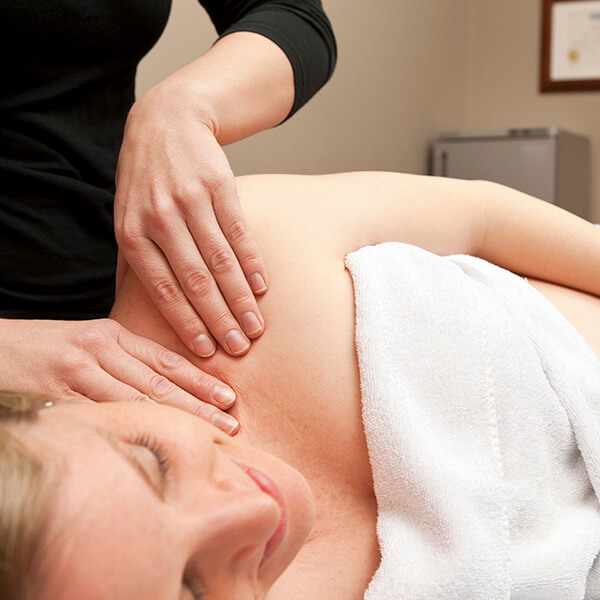
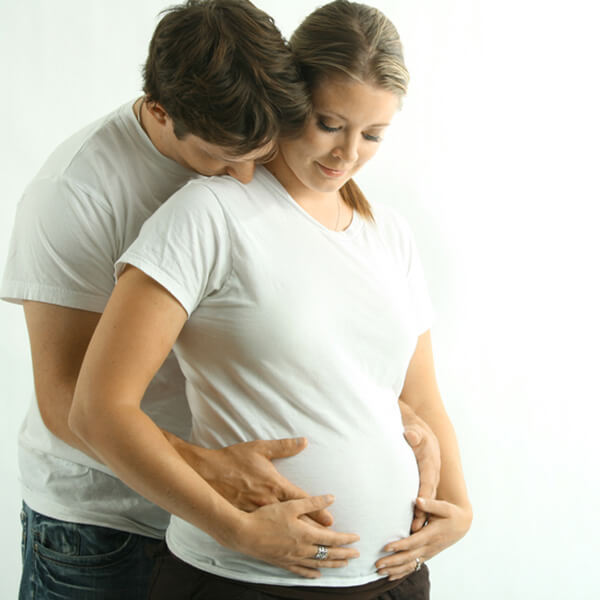
Chiropractic Care During Pregnancy
Find out all about the pain-relieving benefits a prenatal chiropractor can provide.

Resources for Chicago Area Parents-To-Be
From putting your birth team together to book recommendations – we’ve got a list of resources for you!
References and Additional Resources
- BIRD AR, MENZ HB, HYDE CC: The effect of Pregnancy on Footprint Parameters. J Amer Podiatr Med Assoc 89:405-409, 1999.
- LYMBERY JK, GILLEARD W: The Stance Phase of Walking During Late Pregnancy. J Amer Podiatr Med Assoc 95(3): 247-253, 2005
- ANDERSON J DPM: www.babycenter.com “Ask the Experts” page.
- FOTI T DAVIS JR, BAGLEY A: A Biomechanical Analysis of Gait During Pregnancy. J Bone and Joint Surg 82: 625-632, 2000.