Our Physical Therapy Program | Ravenswood Chiropractic

Physical Therapy
Physical Therapy Program Overview
When you come to Ravenswood Chiropractic for your physical therapy needs, you’ll experience a uniquely comprehensive approach to recovery that gets you back in top condition as quickly, safely, and completely as possible. Our program treats a variety of issues including neck, shoulder, elbow, back and hand pain, sports-related injuries, arthritis, TMJD, postpartum recovery as well as post -surgical spine care.
Our Physical Therapy Program
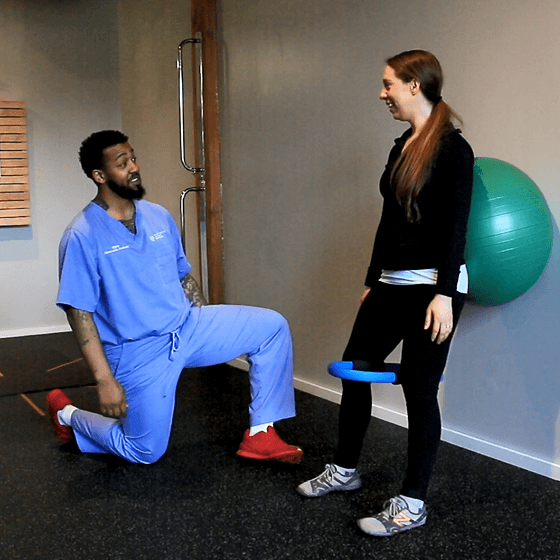
All of our patients receive expert physical therapy beyond just treatment. Our one-on-one physical therapy program includes education, lifestyle changes, and direct treatment to ensure your correct function is restored, your pain eliminated and risk of reinjury is reduced. After your recovery, you also have the option of entering into our personal or group training program.
We can work independently without a referral from your medical doctor or directly with your primary care physician, surgeon, or pain-management specialist or we can refer you to one of our trusted ones as needed to ensure excellent coordination of care.
Ravenswood Chiropractic & Wellness Center offers a unique physical therapy experience with a variety of holistic services and programs layered at specific times during your recovery to help address your discomfort and aid in your recovery: massage therapy, trigger-point dry needling, postural correction, strength and conditioning training including core strengthening, and ultrasound therapy.
PHYSICAL THERAPY TREATMENTS
Ravenswood Chiropractic and Wellness Center offers a variety of these targeted services to aid in healing and resolving your injury so you can get back to the things you love to do.
Targeted Stretches and Exercise Program
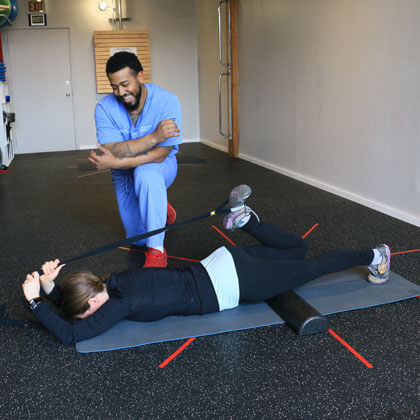
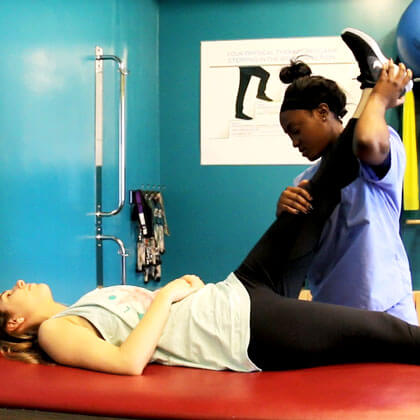
If your issue is tissue extensibility, we’ll guide you through a personalized program of stretches to lengthen the muscles and a series of exercises to strengthen the muscles. Both programs will help you reach your fullest movement and biomechanical potential.
Clinical Massage Therapy
After we review your treatment plan with you, you’ll know exactly which type of massage is ideal for your needs. We offer a variety of the most effective and studied massage therapies such as Swedish, deep tissue, sports, prenatal, lymphatic drainage, trigger point therapy, and myofascial release.
Read more about how we eliminate pain and promote wellness with Massage Therapy.
Trigger-Point Dry Needling
Trigger points are irritable, hard “knots” within a muscle that cause pain over a large area, leading to difficulty performing everyday tasks. Dry needling is a treatment that involves a very thin acupuncture needle being used to stimulate a trigger point. Dry needling can release the tight muscle bands associated with trigger points and lead to decreased pain and improved function. We also offer traditional acupuncture by our licensed Chicago acupuncturist.
Read more about how we can improve your health and wellness with Acupuncture and Trigger Point Dry Needling.
Electrotherapy
Electrical currents have been a successful part of physical therapy for many years. In fact, advancements in electrotherapy technology have made it a necessary part of recovery and pain alleviation.
Electrotherapy consists of channeling low-frequency electrical currents to the site of the pain or hypertonic muscle areas. The electrical currents pass through muscle, nerve, and connective tissue, decreasing the tension in the muscles and delivering a therapeutic trigger the releases natural pain killers in the body. You might feel a slight tingling sensation on the skin and your muscles may feel massaged.
Read more about how we can alleviate pain and inflammation with Electrotherapy.
Ultrasound Therapy
Ultrasound therapy is the use of sound waves to break up adhesions (scar tissue) or treat musculoskeletal issues such as inflammation from sprains, tendinitis, and bursitis.
Read more about how we can help your pain with Ultrasound Therapy.
Postural Correction
Do you sit at a desk for most of the day? When you walk, are you looking at the ground or do you have your shoulders back and chest up? It’s little actions such as these that determine a healthy posture. With the workforce moving primarily in-doors behind a desk, there has been a surge of people with posture-related pain and ailments such as headache, neck pain, upper back pain, thoracic outlet syndrome, carpal tunnel, rotator cuff injuries.
We’ll help you learn the fundamentals of posture and help train your muscles to hold proper posture throughout the day.
Balance Evaluation and Training
Balance is key to the way our body functions. If your balance is off you’ll feel it throughout your entire body.
We evaluate your balance and provide exercises, stretches, and orthotics as needed to correct and improve your balance.
Strength and Conditioning
Pain develops when parts of our body overcompensate for weak muscles and lack of flexibility or balance. We will pinpoint what muscles are weak and tight and then provide in-depth, personalized instruction on the most effective and safest ways to increase strength and improve body conditioning.
Read more about how we help to improve Strength and Conditioning with our article Starting a Strength Program
Core Strengthening and Back Stabilization
Did you know that all movement originates from your core? The muscles found in your stomach, torso, and lower back are arguably the most important muscles in your body.
By strengthening your core muscles, you set off a positive chain of events: your posture improves, the pain disappears, and your functional movement capacity is increased.
We use scientifically-proven core-strengthening exercises that are safe and effective. Read more about how we help to improve Core Strength.
Custom Foot Orthotics
Our feet do a lot of the hard work needed to move our bodies around. The feet also act as natural shock absorbers for the weight of our bodies. This means that a problem in your foot can be bad for your entire body. And when one or both feet have problems such as structural abnormalities, deformities, imbalances, and misalignments, the feet no longer function as effective shock absorbers, leading to pain and further injuries in the feet themselves or elsewhere in the body.
Orthotics are orthopedic devices that change the way your feet function in order to correct imbalances, misalignments and other biomechanical disorders in your feet. Orthotics can help to alleviate issues caused by these disorders by restoring proper alignment to the bones and ligaments in the foot.
Read more about our custom foot orthotics.
The best physical therapy treatment plans are based on accurate and complete diagnosis.
Our expert chiropractic physician is experienced in a variety of tests to pinpoint the origin of your discomfort and will implement a plan tailored to your needs so that you quickly get on the path to recovery. Some of these tests might include: postural analysis, biomechanical and gait analysis, orthopedic, neurologic and palpatory tests, and selective functional movement assessment (SFMA) evaluation.
Most likely, your pain originates from one or more of the following issues and getting the right diagnosis helps determine which treatment or combination of treatments will repair your issue the best:
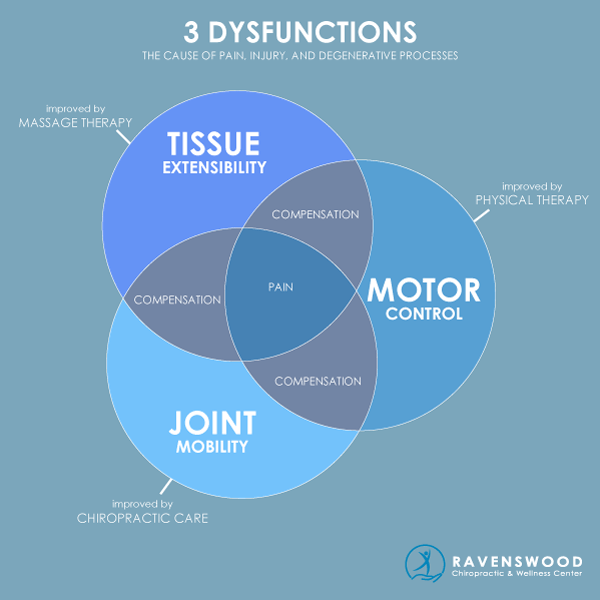
Motor Control Issues: Refers to how we use our brain to activate and coordinate our muscles to move. Motor control issues can be resolved with physical therapy which ensures you have the strength and coordination in your muscles to carry out movements efficiently.
Tissue Extensibility Issues: Refers to how strained ligaments, tendons and muscle fibers in soft tissue can prevent a normal range of motion. Massage therapy and physical therapy techniques like stretching, trigger point dry needling, ultrasound, and electrotherapy can help you achieve a normal range of motion.
Joint Mobility Issues: The inability of your joints to move fluidly in their full range of motion. Chiropractic care identifies and corrects joint dysfunction.
See our video about our unique approach to pain where Dr. Renn explains each issue and how different modalities such as massage and acupuncture can address these issues.
SCHEDULE A PHYSICAL THERAPY APPOINTMENT TODAY
Ready to improve your health and get rid of the pain that is holding you back? Give us a call today at (773) 878-7330 to make an appointment.
Also Related…
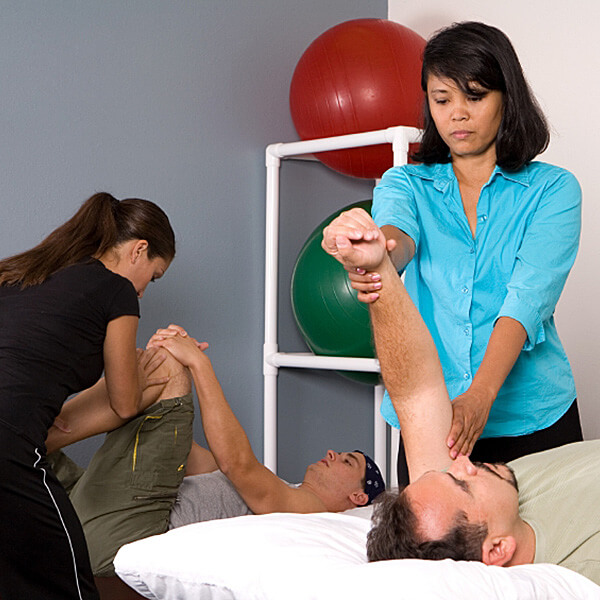
Propriocepticve Neuromuscular Facilitation
Find out more about Proprioceptive Neuromuscular Facilitation (PNF), a treatment that uses your muscles’ natural contract and relax signals to improve flexibility.
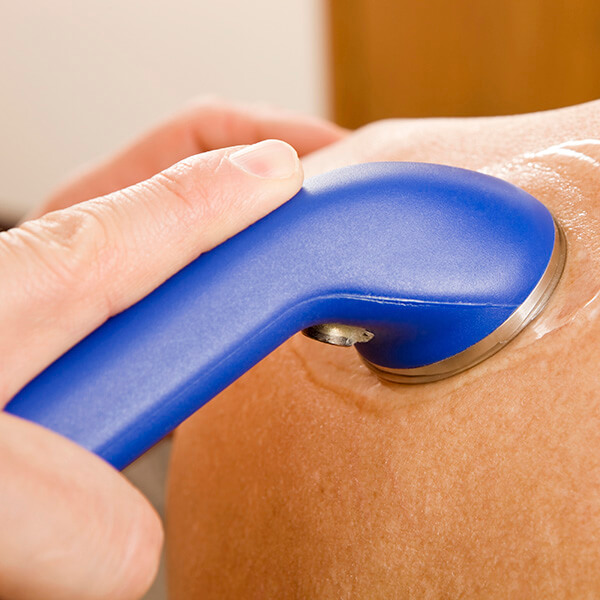
Ultrasound Therapy
Learn more about high level ultrasound, which can be used to heal tissue injuries and treat inflammatory conditions.
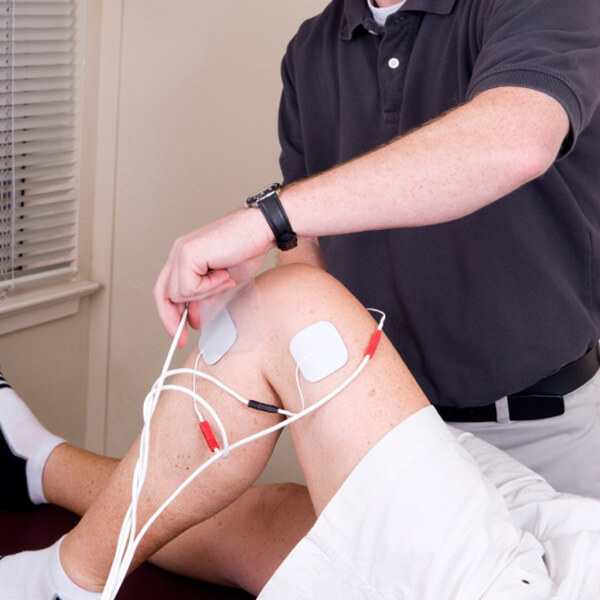
Electrotherapy
Low-frequency electrical currents can be used to reduce pain and treat sprains, strains, and spasms.

The Importance of Post-Partum Recovery
The most common conditions you may experience post-partum and how physical therapy can get you back on your feet.

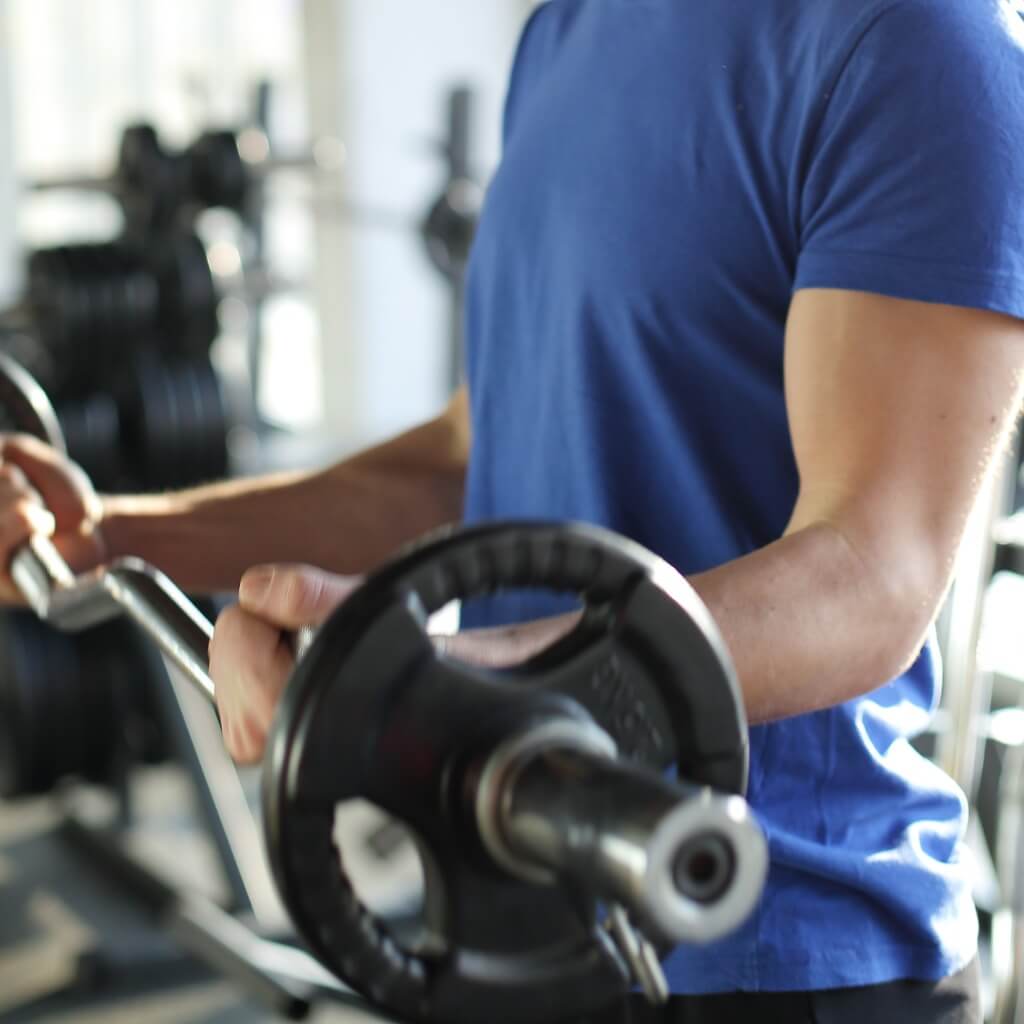
Top 15 Weightlifting Injuries and How to Avoid Them
Read how simple preventative steps can make a world of difference in the weight room, decreasing your risk for injury.
References and Additional Information
“Atlas Chiropractic – Stretch Your Limits.” Atlas Chiropractic – Stretch Your Limits. Editorial Staff, June 2011. Web. 05 Mar. 2014.
Asp, Karen. “The Role of Stretching Exercises: From Warm-Ups to Cool-Downs.” www.ideafit.com. N.p., Nov. 2001. Web. 05 Mar. 2014.
Globe G, Morris C, Whalen W, et al., “Chiropractic Management of Low Back Disorders: Report from a Consensus Process.”
Rautenbach, Marlie. “The Effectiveness of Chiropractic Adjustive Therapy in Conjunction with a Rehabilitation Exercise Program…” The Effectiveness of Chiropractic Adjustive Therapy in Conjunction with a Rehabilitation Exercise Program in the Management of Lower Back Pain in Athletes Presenting with Lower-crossed Syndrome. N.p., 16 Apr. 2012. Web. 05 Mar. 2014.